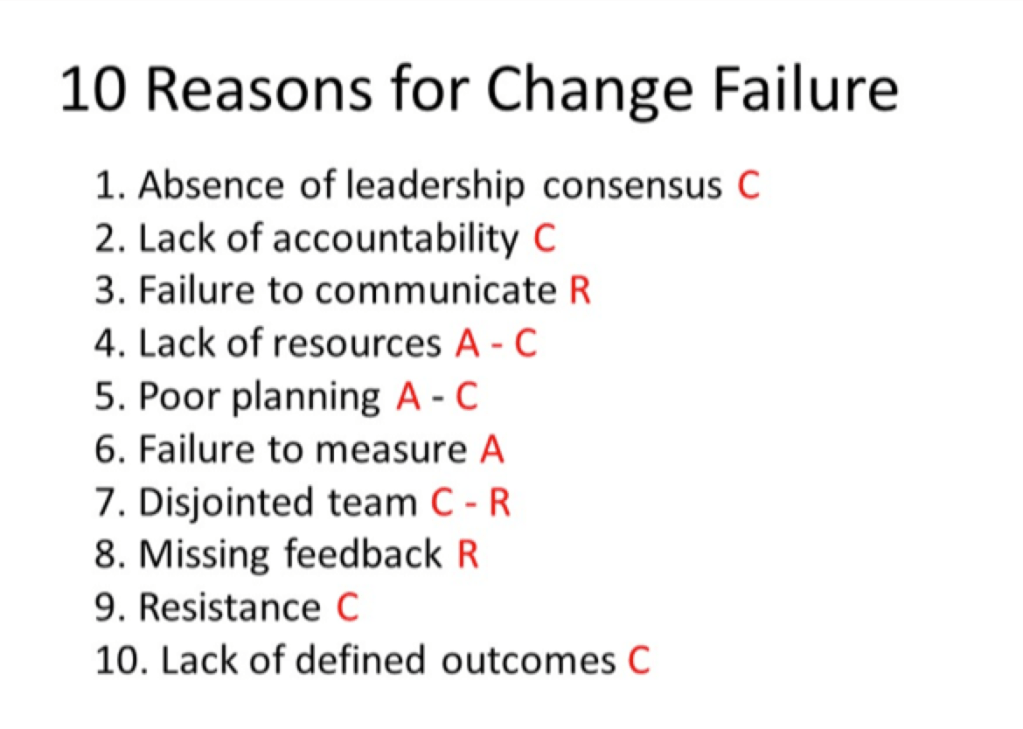
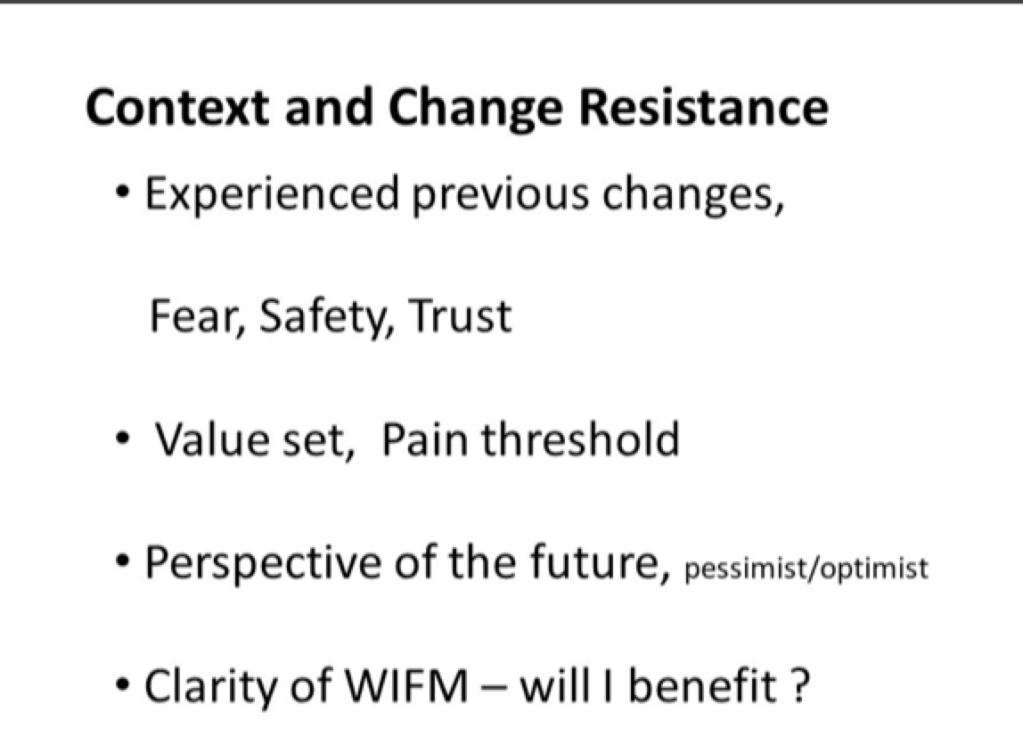
- Create consensus among top leaders. Resistance is often created by a lack of safety and trust or a overabundance of fear which may stem from leaving certain groups, experts or topics out of the discussion. (See slide 2)
- Create more accountability with team members. (Mold a positive perspective of the future and calibrate the team accordingly by being clear about costs, benefits, and schedules for long term activities and limiting meetings to only necessary participants to increase morale) (see slide 2)
- Increase the effectiveness of communication by distinguishing between information sharing meetings, action oriented meetings, decision making meetings and clarify how people will benefit on the individual level (this may differ from person to person and sensitivity to differences matter)- See slide 2)
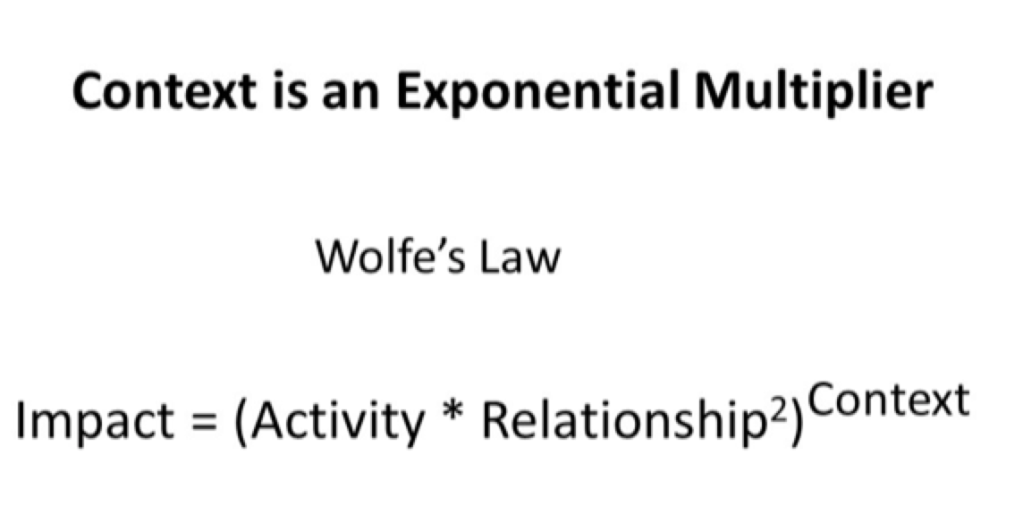
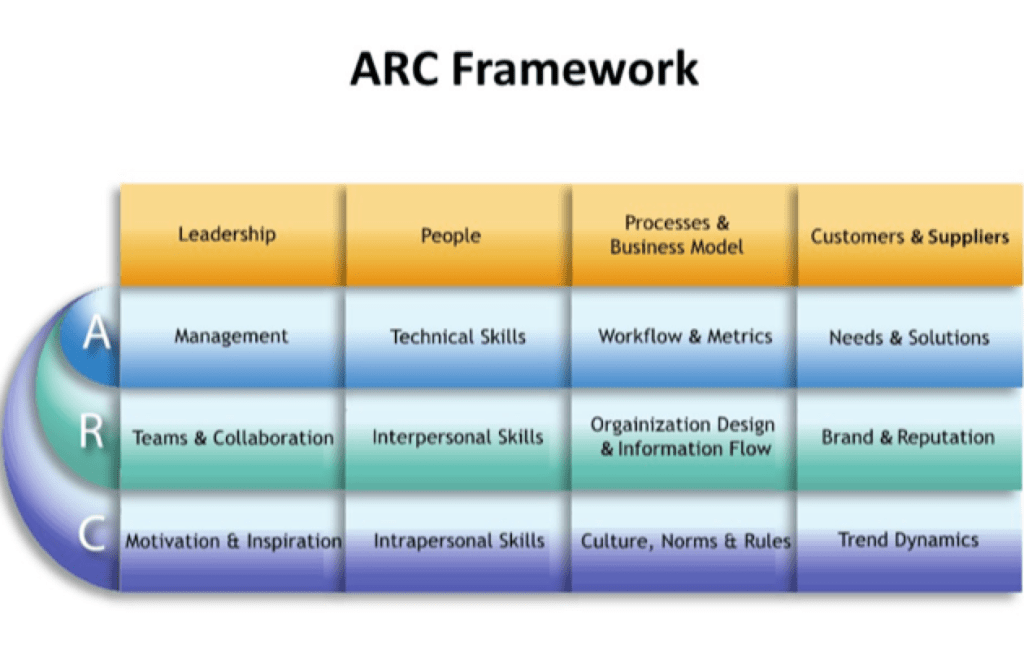
- Increase the probability that resources are connected to the context. If COVID considerations are still a factor, this will detract from the context. If remote work is always an option for all parties this will improve the context for the project. (motivation, inspiration, interpersonal skills, culture, norms, and rules, and trend dynamics) (See slide 3: context is the multiplier of the impact of change)
- Create planning systems that work for the context and everyone in the organization, as opposed to a select few. Attempting to segment team members for remote work without rationale is a destroys the culture and context (i.e. a popular non-profits stating older workers are the only ones who can perform remote work and younger workers must perform in person work). (see slide 3- context is the multiplier of change impact)
- Increase the ability to measure achievement of important objectives (Using quality metrics, remote tools, or work performance baselines)
- Create a cohesive team with cross functional resources that embed project knowledge and create consensus by joining the team together (See slide 2 – Value set and thresholds)
- Create more opportunities for clear feedback channels during organizational change. Effective change management requires bottom up awareness, desire, knowledge, ability, and reinforcement (ADKAR) for most of the organization with everyone held to the same standard. (Activity, Relationship, and Context drive this ADKAR framework in slide 4)
- Understand stakeholders, their level of resistance, support, apathy, and leverage their influence appropriately (See slide 3- context is the multiplier of change impact)
- Define the outcomes in a clear and coherent manner to build consensus (Activity, Relationship, and Context Framework, workflow and metrics feed into organizational design and information flow as well as culture, norms, and rules.)
Certified Project Management Professionals are change agents that want to create lasting results in their organizations by enabling effective, efficient, and easier decision making. This topic is discussed in the article, “How Project Management Enhances Decision Making.”
In order to make a positive impact certified project managers are skilled at viewing our organizations and projects within them as context driven. Organizations are alive. Projects as a part of living organizations, provide deep insight into the essence of the corporation. In projects, we are able to reveal deep psychological undercurrents that drive culture.
Using this deep psychological undercurrent we can better understand the activity, relationships, and context, of change management initiatives across the organization.
Certified project managers gain this perspective of the undercurrent; “sixth sense,”because in the ten knowledge areas of projects we realize that “soft skills” are “hard skills.” Soft skills (active listening, meeting management, interpersonal skills, influencing, negotiation, motivation, conflict management skills, cultural awareness, political awareness, and team building). We cannot decouple these things from our change management of projects in organizations.
Certified project managers remove obstacles to change management and achieve organizational success by using “soft skills” and emotional intelligence to serve the core business. Soft skills are hard skills in businesses that drive end users.
Curated and created by E.B. Akiode, PMP
This information was adapted from project management.com webinar discussed by Vitaly Geyman B.Eng. MBA.
E.B. Akiode is available for private consulting engagements via LinkedIn
 pmp-101.com