Project management is both a science and an art.
I’ve discovered the artistic use of different tools to justify specific initiatives. And in the project management industry, it is surprising how many companies are using agile and lean tools. Some tools include scrum backlog requirements planning, daily stand up to prevent roadblocks, and lean planning tools which focus on communication and team discussion (instead of investing in detailed up front collaboration planning). Despite the increase in the use of these agile and lean tools, the IMF has reported world growth slowdown. Moreover, productivity and wage gains have stagnated for years (See Slides 1-3).
Innovation is useful insofar as productivity and wage growth creates a higher standard of living. Let us not forget that, using agile in scrum backlog is only as useful as the results we see (Refer to slide 6). In most organizations, agile and lean tools are misapplied.
I’ve witnessed this misapplication not only when project management is misconstrued as sales or business development but when lean and agile is misconstrued as “downsizing staff.” During scrum backlog grooming and sprint iterations, I’ve witnessed 5 years of organizations in software, government, fashion, engineering and design takes requirements and ideas as given rather than benefits and ideas to be measured objectively.
The purpose of this article is to show that in order to innovate using agile and lean sprints: project managers, scrum masters, and team members need to view product, project, and growth ideas as a reflection of business needs and business cases. These business needs and cases have benefits attached to these ideas with many ways to accomplish those ends.
If you, the reader, believe this, keep reading.
The two primary tools certified project managers may use include: personas and problem scenarios.
Whether the company is large or small all organizations can benefit from this venture design process when new ideas emerge. The persona and problem hypothesis lends to the following:
- Persona & Problem Hypothesis: Discovery interviews & observation. An approach to help us avoid waste and get to a successful outcome by applying a lean startup scientific method to innovation by bootstrapping the following:
- Value Hypothesis: MVP & other product proxy testing.
- Usability Hypothesis: Product usability against specific (supplied) goals.
Personas and problem scenarios are useful not just for the obvious narratives around user functionality and developer facilities but also for the less intuitive (but important) business problem scenarios. For example, personas and problem scenarios helps business executives, new venture teams, scrum masters, business analysts and project managers focus on:
- What are the implications for testing?
- What are the implications for operating the system and keeping it current?
- Are there other internal users who need to be able to access the system/component to view or create data?
- Where is the vendor or project headed and is that congruent with our application/strategy?
By starting with personas and problems scenarios certified project managers:
- Validate interface elements vs. user stories in the collect requirements phase so we don’t deliver a solution no one can use
- Refine user stories and mockups so we practice driving to user stories and test our teams on understanding and readiness consistently
Problems arise from executives, scrum teams, project managers and their software team when we receive:
Inputs: questions you want to answer with personas & problem scenarios
Project managers use personas and problem scenario approaches to deliver:
Outputs: working, tested personas and problem scenarios
- What general population(s) and problems do we want to learn about?
- What do we want to do with what we learn?
- What screener did we use for subjects?
- Where did we recruit subjects?
- Where is the working document for personas and notes?
- What existing work should participants review in advance?
- What is the convention for adding work to the document?
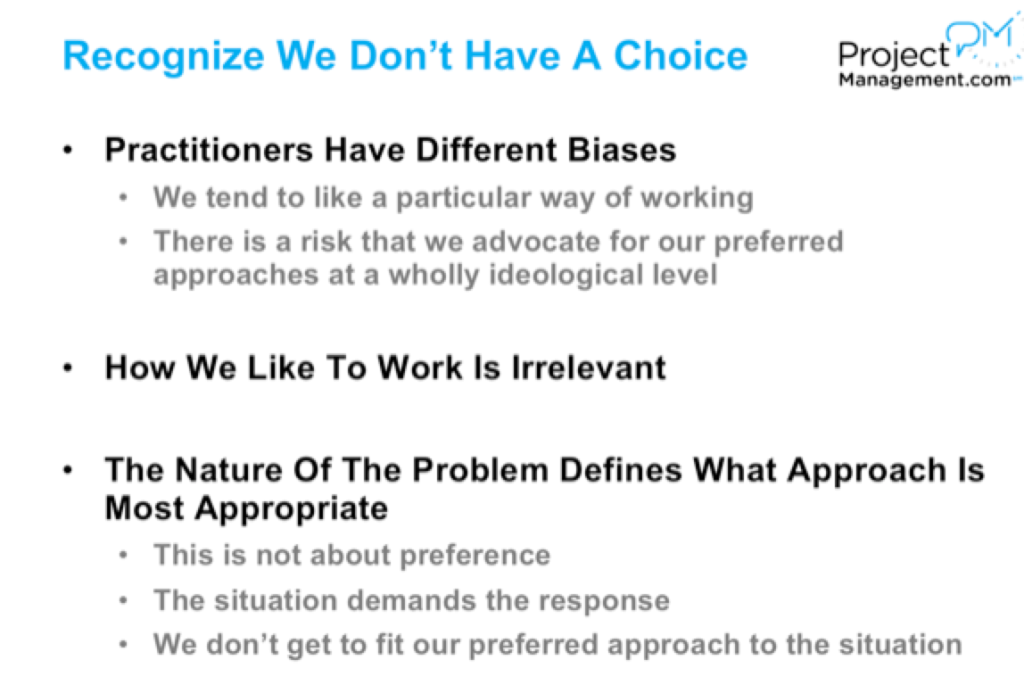
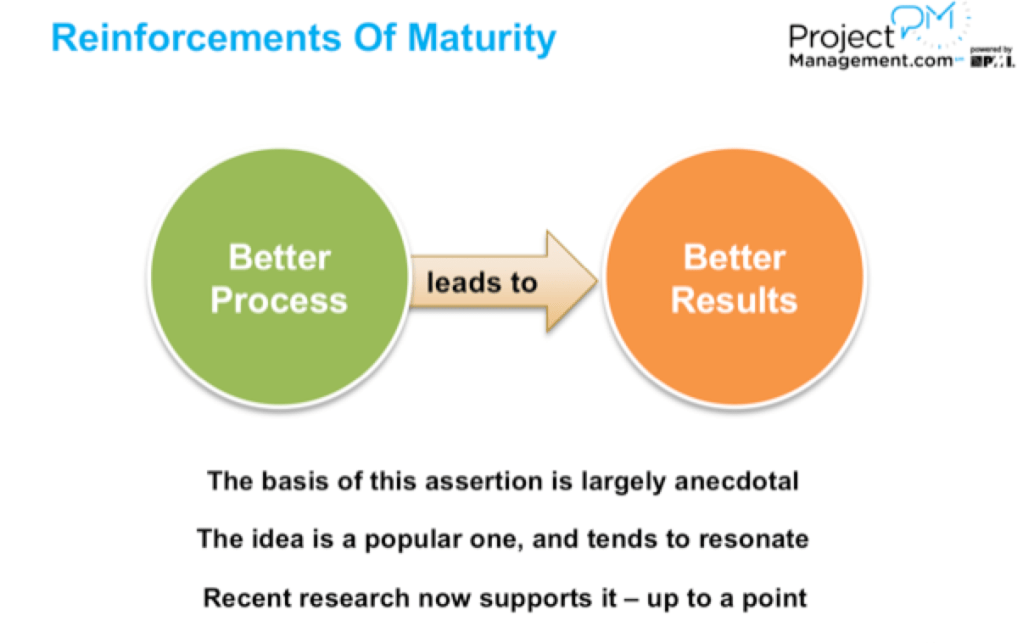
Great project management produces great results and while different practitioners have different biases, how we like to work is irrelevant, the nature of the problem defines what approach is appropriate (See slide 5).
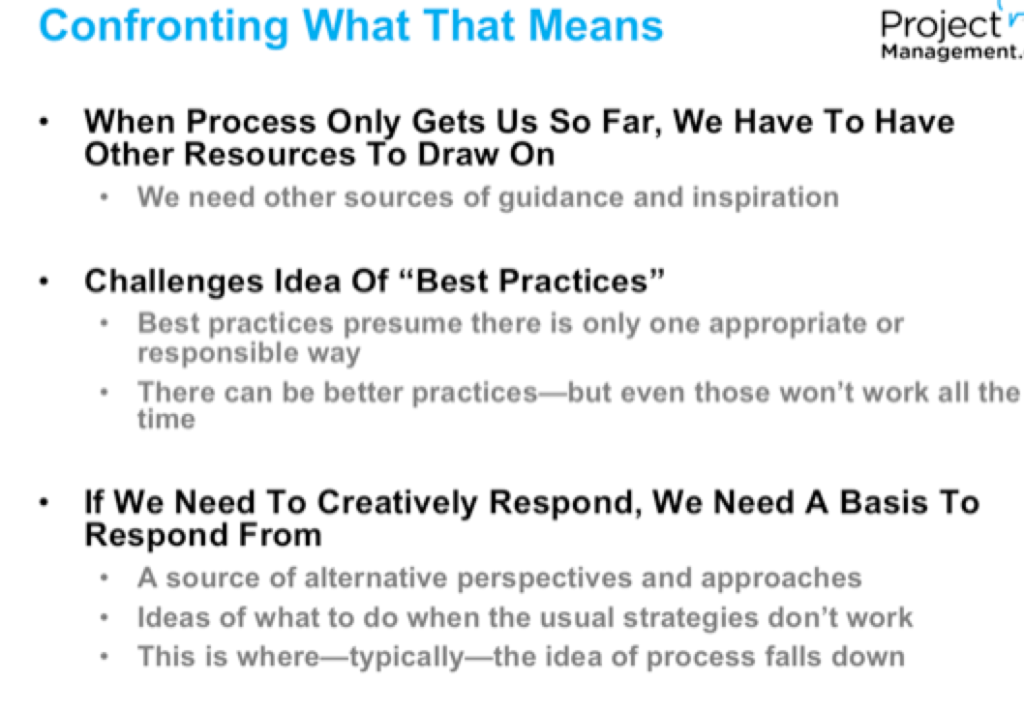
As a science and an art, project management best practices are different for every circumstance. Therefore, if we need to creatively respond, we need a basis to creatively respond from: a source of alternative perspectives and approaches, ideas of what to do when usual strategies don’t work.
The broader the perspective and approach the greater the results of the project, process, result, service, idea, sprint, retrospective, product, or growth plan.
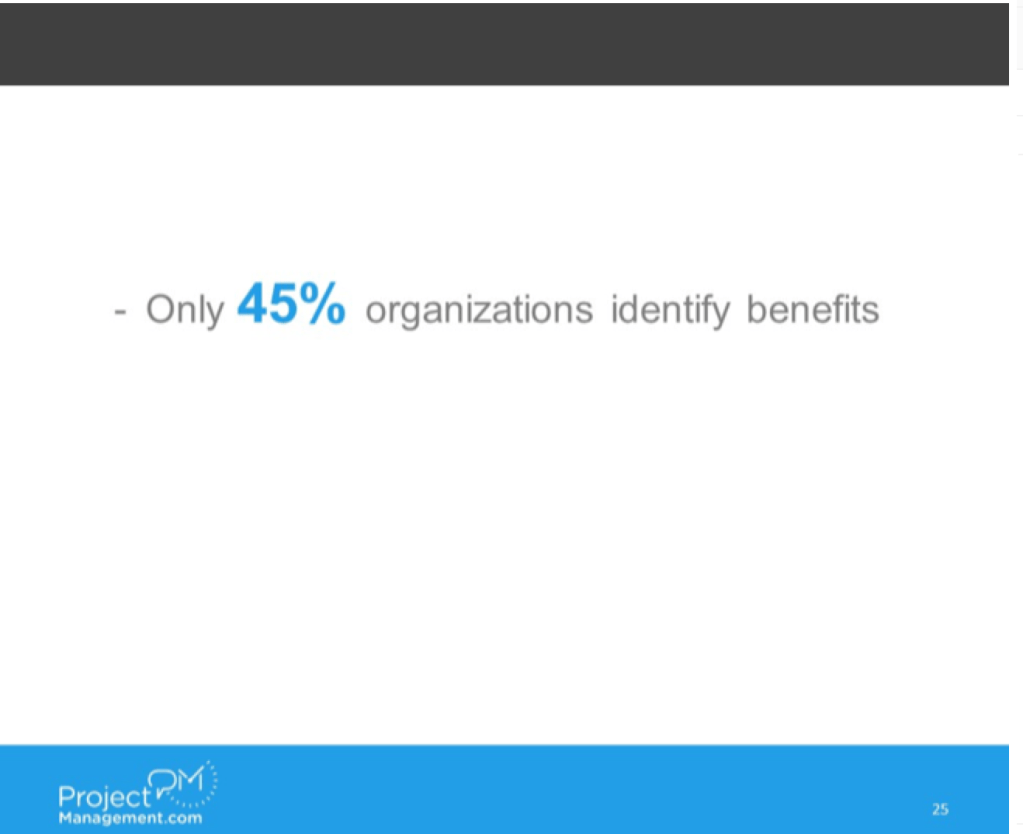
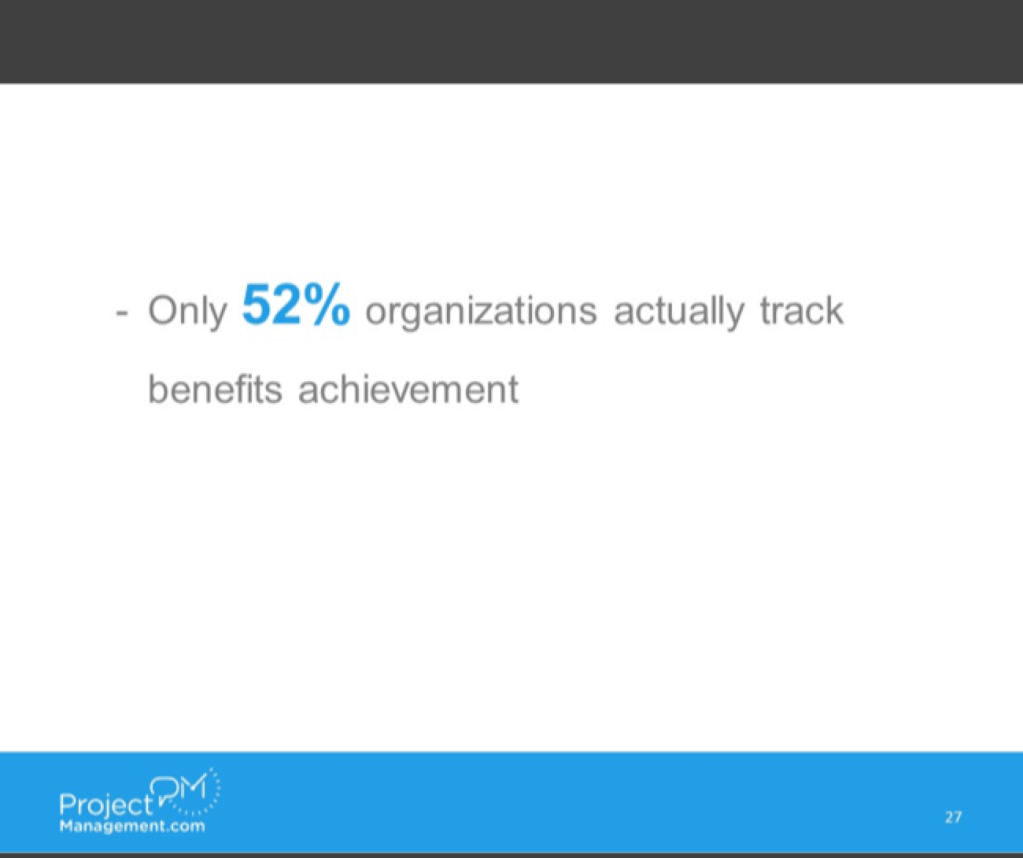
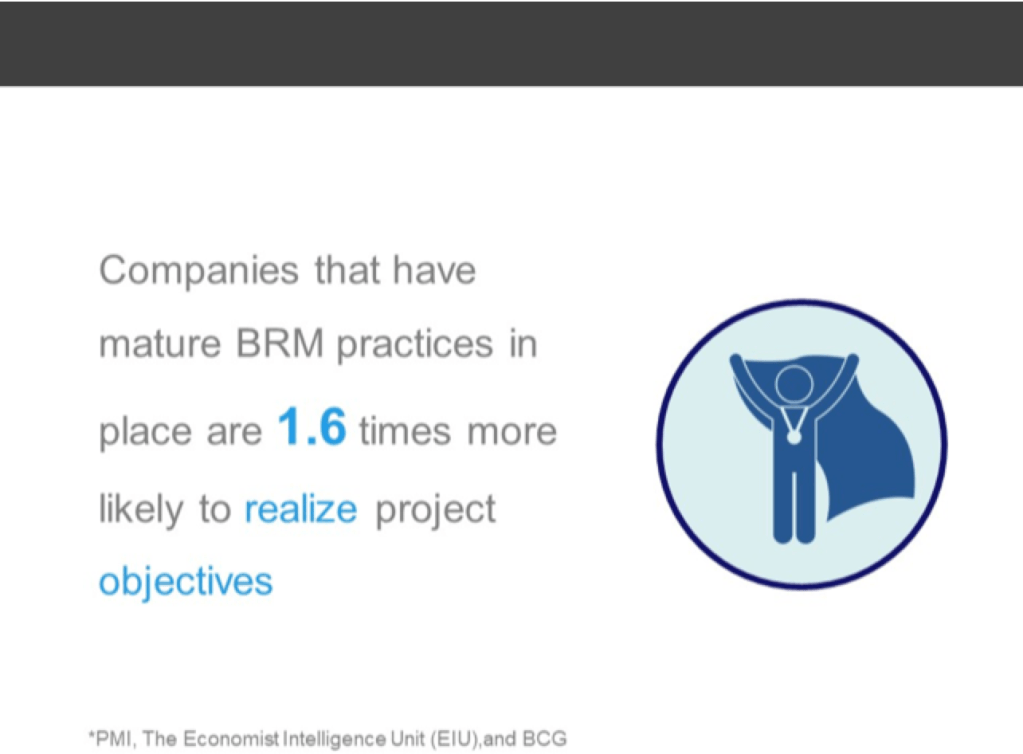
This approach of analyzing personas and problem scenarios creates a robust (BRM) benefits realization management system to ensure projects and the organizations they support are successful. When project managers use different tools, backgrounds, and perspectives from experience in different industries, certified project managers and the organizations they support deliver more optimal results than non-certified (not credentialed) managers, every time.
Curated and created by Emi Akiode, PMP.
Emi Akiode is a certified project management professional with 13 years of experience in nonprofit, government, software, engineering, information technology, retail, and creative design industries. Emi Akiode is available for consulting and private projects through her LinkedIn profile at http://www.linkedin.com/in/emiakiode.
 pmp-101.com
One thought on “Innovate your Industry using Two Lean Agile Startup Project Management Tools: Personas and Problem Scenarios”